
 Save
Save
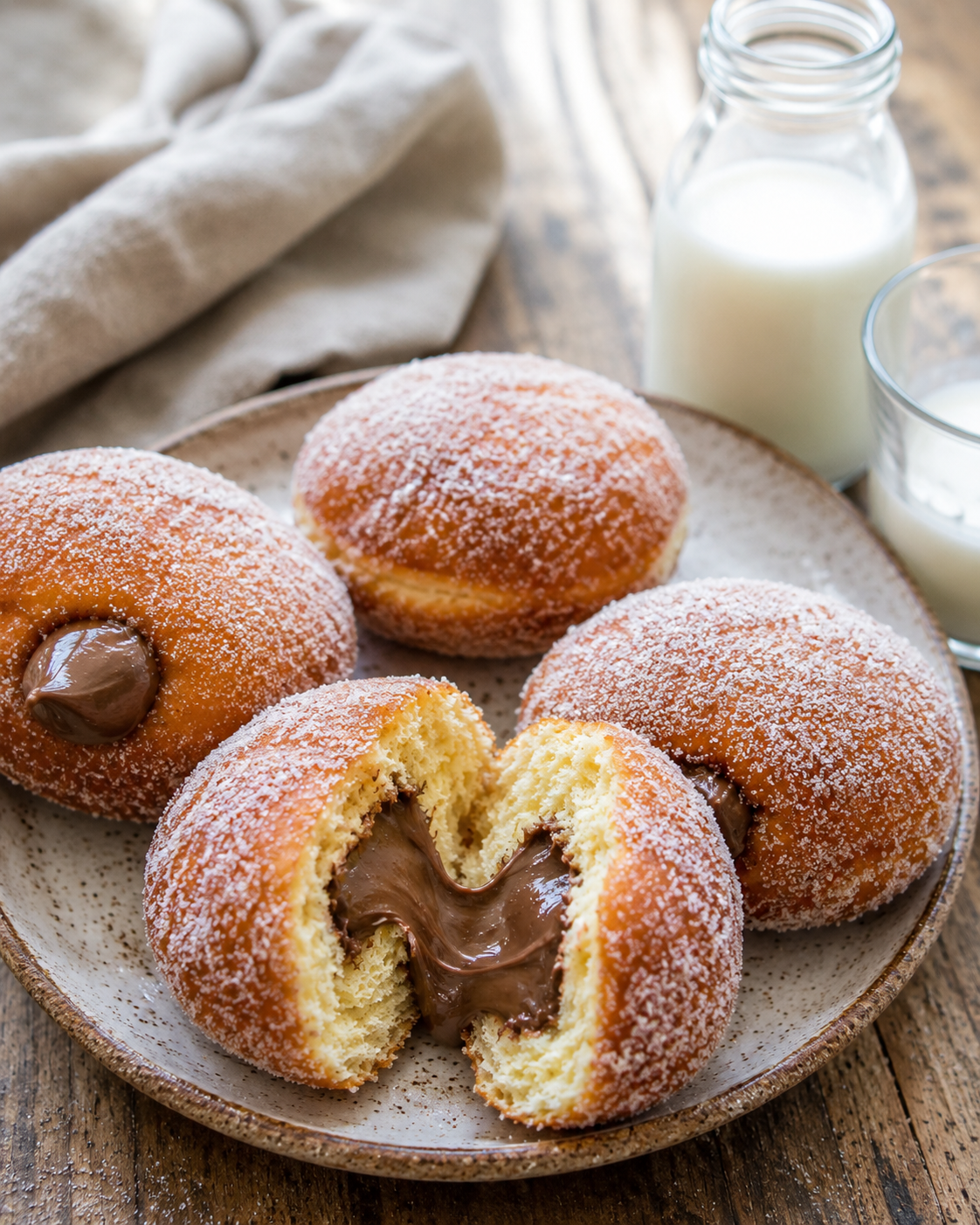
These Nutella donuts are the kind of weekend project that fills your kitchen with the smell of frying dough and turns an ordinary morning into something special. Soft, pillowy yeast donuts get rolled in sugar while still warm, then stuffed with as much creamy Nutella as they can hold. I started making these after a failed attempt at store bought donuts left me disappointed, and now they are the treat my family begs for whenever we have a slow Sunday.
The first time I made these was on a rainy afternoon when my kids were bored and restless. We turned it into a family project and by the time the donuts were filled and dusted, everyone was covered in sugar and grinning. Now it is our go to recipe for holidays and lazy weekends alike.
Ingredients
- Active dry yeast: gives the donuts their rise and airy texture. Make sure yours is fresh because dead yeast means flat donuts.
- Warm water at 105 degrees Fahrenheit: wakes up the yeast. Too hot and you will kill it, too cool and it will not activate.
- Granulated sugar for proofing: feeds the yeast so it foams up nicely.
- Salt: balances the sweetness and strengthens the dough structure.
- Baking powder: gives a little extra lift alongside the yeast.
- Granulated sugar for the dough: adds gentle sweetness to the crumb.
- Bread flour: is key here because its higher protein gives that chewy tender bite. Do not swap for all purpose if you can help it.
- Shortening: keeps the crumb soft and moist. Butter flavored Crisco adds a subtle richness.
- Egg yolks: bring color and tenderness to the dough.
- Vanilla extract: rounds out the flavor with a warm aroma.
- Peanut oil or light olive oil for frying: because both have a high smoke point that keeps the donuts crisp not greasy.
- Granulated sugar for rolling: gives that signature sweet crunchy shell.
- Nutella, and lots of it: for filling and topping. Go for the real thing since generic hazelnut spreads can be waxy and less creamy.
Instructions
- Proof the Yeast:
- In a large bowl or stand mixer bowl, combine the active dry yeast, one cup of warm water at 105 degrees, and one tablespoon of sugar. Let it sit for five to ten minutes until it becomes nice and foamy. If it does not foam, your yeast is dead so discard it and start over with fresh yeast and water that is not too hot.
- Boil the Steam Water:
- Fill a three quart pot with water, cover it, and bring to a boil over high heat. This water creates steam in the oven while the donuts rise, which is the secret to that pillowy texture.
- Mix the Dry Ingredients:
- In a medium bowl, combine the salt, baking powder, half a cup of sugar, and the bread flour. Set this mixture aside so it is ready to go.
- Add the Wet Ingredients:
- When the yeast is nice and foamy, add the shortening, three egg yolks, and vanilla extract to the yeast mixture. Stir well with a wooden spoon until everything is combined.
- Combine the Dough:
- Add about half of the flour mixture to the wet ingredients and combine well with the wooden spoon until you have a shaggy dough.
- Knead the Dough:
- If using a stand mixer, attach the dough hook. Add the remaining flour mixture and stir well. Once all the flour is incorporated, knead with the dough hook for two minutes. If mixing by hand, knead on a lightly floured surface for two minutes. The dough should clean the sides of the bowl and should not be very sticky. Add a little more flour if needed.
- First Rise Setup:
- Grease a large bowl with nonstick spray or a little oil. Shape the dough into a ball and place it in the greased bowl, turning it over so the top is greased too. Cover loosely with a tea towel or plastic wrap.
- Steam Rise in the Oven:
- Place the bowl with dough on the top rack of your oven. Set a nine by thirteen inch pan on the bottom rack. Carefully pour the boiling water into the bottom pan. Close the oven door and do not open it for one hour.
- Check the Rise:
- After one hour, the dough should have doubled in size. Remove it from the oven gently.
- Reboil the Water:
- Pour the water from the nine by thirteen pan back into the pot, cover it, and bring it to a boil again for the second rise.
- Prepare the Sheets:
- Line two large baking sheets with parchment paper or silpats and spray them with nonstick spray.
- Punch and Knead:
- Punch down the dough and knead it a couple of times on a lightly floured surface to release the air.
- Roll Out the Dough:
- Use a rolling pin to roll the dough into a circle about twelve by twelve inches. The dough should be about half the thickness of your thumb.
- Cut the Donuts:
- Using a two and a half inch biscuit cutter, cut the dough into donut shapes. Push straight down and do not twist the cutter or you will seal the edges and hurt the rise.
- Arrange for Rising:
- Line up the cut donuts on the prepared baking sheets with plenty of space between them for rising. You should fit twelve to fifteen donuts per sheet.
- Second Rise:
- Place the baking sheets in your oven. Pour the boiling water into the nine by thirteen inch dish and place it underneath the baking sheets on the oven floor or lowest rack. Do not cover the donuts with a towel this time. Let them rise for another forty five minutes until doubled in size.
- Heat the Oil:
- About twenty minutes before the donuts finish rising, start heating your oil. In a high sided skillet, add one and a half to two inches of oil and turn the heat to medium. Attach a candy thermometer if you have one and heat the oil to 360 to 370 degrees Fahrenheit. If you do not have a thermometer, test with a small piece of dough after about fifteen minutes and it should sizzle immediately when dropped in.
- Set Up Your Station:
- Line your counter with lots of paper towels or a deconstructed clean paper grocery bag. Pour one and a half cups of sugar into a pie plate or shallow bowl and set a cooling rack nearby.
- Fry the First Side:
- Using a large spatula, gently lift donuts one at a time into the hot oil and fry three to four at a time depending on your pan size. Let them fry on one side for thirty to forty five seconds until golden brown. Be careful as they will keep darkening as you remove them.
- Fry the Second Side:
- Using tongs, flip each donut and fry for another twenty to thirty seconds. Use your judgment to avoid doughy centers.
- Roll in Sugar:
- Remove the donuts to the paper towel lined counter. Wait just fifteen seconds or so, long enough to get another batch in the oil, then roll them in the sugar generously. Do not be stingy here. Transfer to the cooling rack.
- Repeat:
- Repeat the frying process with the remaining donuts until they are all cooked.
- Make the Filling Holes:
- When the donuts are warm but cool enough to handle, use a couple of toothpicks to poke a hole in the side of each donut. Work the toothpicks around inside to create space for the Nutella filling.
- Prepare the Pastry Bag:
- Fill a pastry bag with Nutella using a 1A tip, or use a ziplock bag with the corner snipped off, or even a condiment bottle.
- Fill the Donuts:
- Insert the pastry bag into the hole of each donut and fill until the donut feels plump. Do not overfill or it will ooze out. Refill the bag as needed.
- Add the Topping:
- Top each donut with a small dollop of Nutella if desired. This is optional and tends to slide off the sugar coating, but it adds extra Nutella to spread around.
- Serve:
- Eat these donuts warm with a fork or with your hands. Serve with plenty of cold milk. If eating later, warm them in the microwave for ten to fifteen seconds.
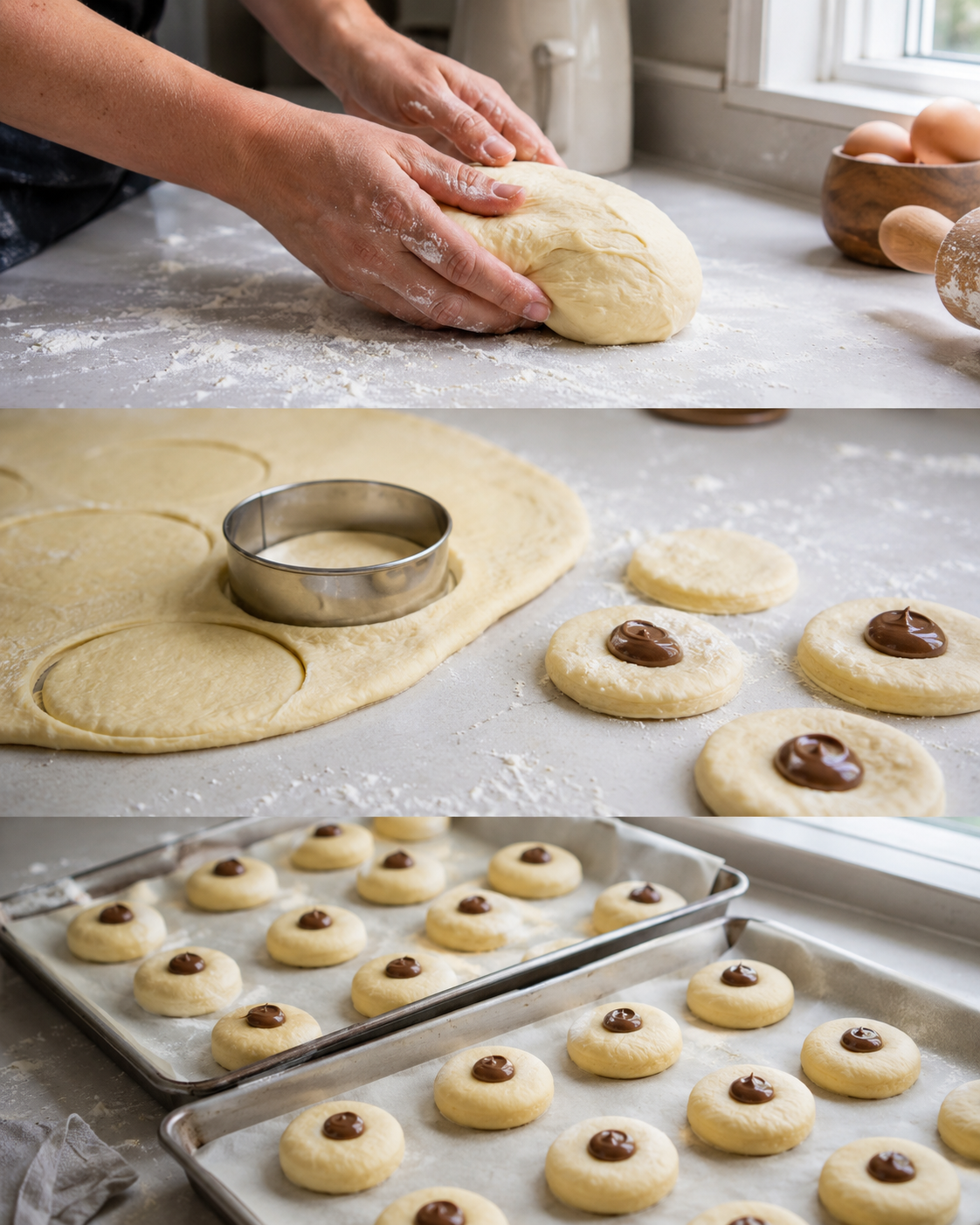
Nutella is my hands down favorite part of this recipe and always has been. I remember my daughter sneaking spoonfuls straight from the jar while we waited for the donuts to rise, and honestly I could not blame her. There is something about that warm gooey center that turns a good donut into an unforgettable one.
Storage Tips
Line large containers with paper towels and store the donuts covered on the counter for a couple of days. They are absolutely at their best on day one but still great on day two. When you are ready to enjoy leftovers, a quick ten to fifteen second warm up in the microwave brings back that fresh fried softness and loosens the Nutella center again.
Ingredient Substitutions
If you cannot find bread flour, you can use all purpose in a pinch but expect a slightly less chewy result. Butter flavored shortening can be swapped for regular shortening or even softened butter, though butter browns faster. For the frying oil, canola or vegetable oil work well if peanut or light olive oil are not on hand. And while Nutella is the star, any good quality chocolate hazelnut spread will do the trick.
Serving Suggestions
These donuts truly shine when served warm with a tall glass of cold milk. For a brunch spread, pile them on a platter and offer a few different fillings like raspberry jam or vanilla custard alongside the Nutella. A dusting of cocoa powder or a drizzle of melted chocolate over the top turns them into a real showstopper for parties and birthdays.
Cultural Context
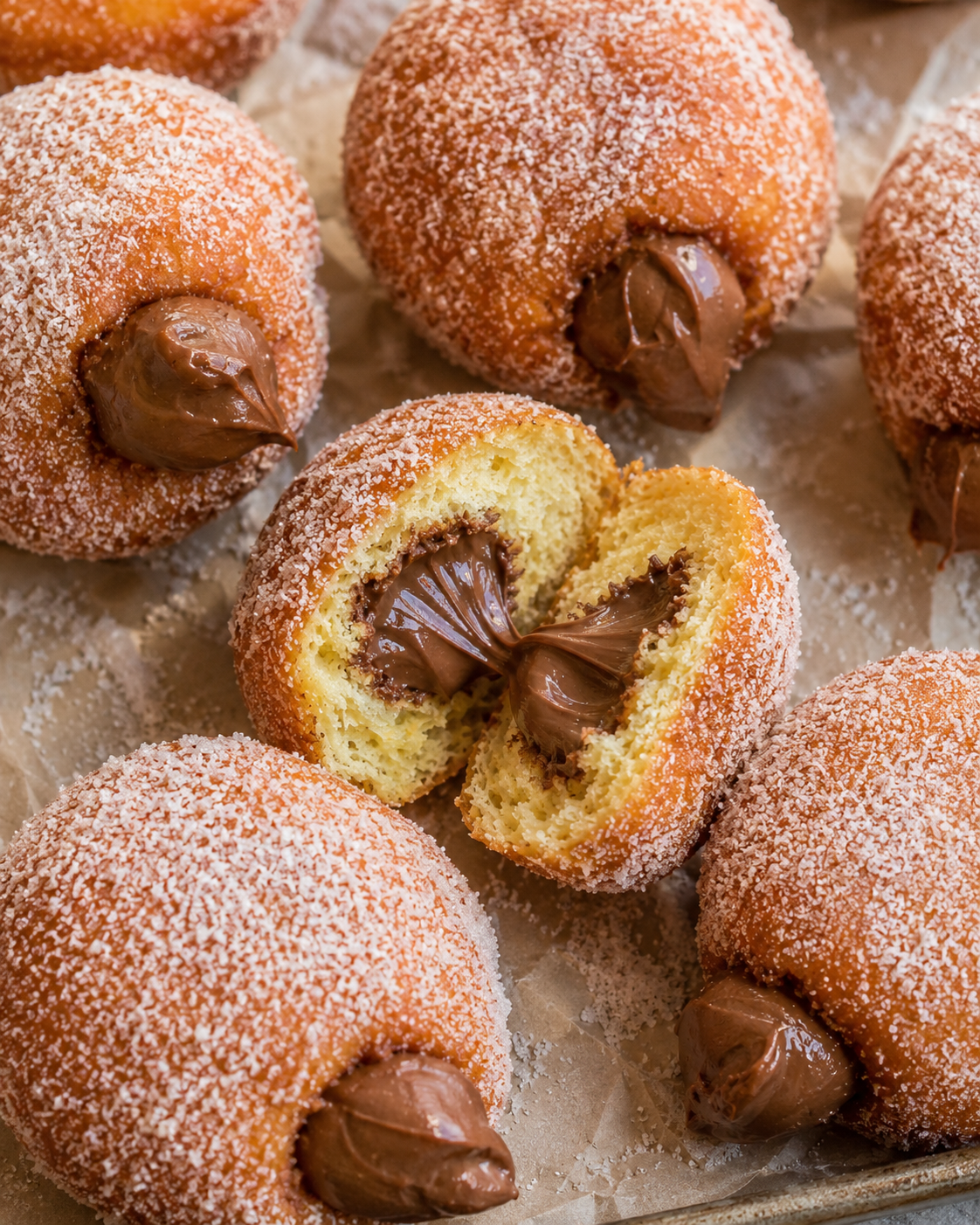
Filled fried donuts have roots all over the world, from German Berliners to Polish paczki, all celebrating that irresistible combination of soft dough and sweet filling. This American style version leans into the classic sugar rolled donut and gives it a modern Nutella twist. It is the kind of treat that bridges old world technique with a beloved contemporary spread everyone recognizes.
Recipe FAQs
- → Why is the boiling water important during the rising process?
- The steam from the boiling water creates a warm, humid environment that helps the dough rise properly and produces soft, pillowy donuts. Skipping this step can result in denser donuts.
- → How do I know if my yeast is still active?
- After combining the yeast with warm water and sugar, it should become foamy within 5 to 10 minutes. If it does not foam, the yeast is dead and you should start over with new yeast and water that is not too hot.
- → What oil temperature should I use for frying?
- Heat the oil to between 360 and 370 degrees Fahrenheit. If the oil is too hot, the outside burns before the inside cooks, and if too cool, the donuts become greasy.
- → How should I fill the donuts with Nutella?
- Poke a hole in the side of each warm donut using toothpicks, then use a pastry bag with a 1A tip, a ziplock bag with the corner snipped, or a condiment bottle to fill until the donut feels plump. Avoid overfilling so it does not ooze out.
- → How long do these donuts stay fresh?
- They are best on day one but still great on day two. Store them covered on the counter in containers lined with paper towels, and reheat in the microwave for 10 to 15 seconds if eating later.